
Thumbprint Art flickr photo by NomadWarMachine shared under a Creative Commons (CC BY-NC-SA 4.0) license
Thumbprint Art⤴
from NomadWarMachine
view: full | short | titles only
from NomadWarMachine
Thumbprint Art flickr photo by NomadWarMachine shared under a Creative Commons (CC BY-NC-SA 4.0) license
from NomadWarMachine
Intentional Camera Movement (ICM) photography for today’s TDC. Winter honeysuckle taken with my android phone and a long exposure.

ICM photography flickr photo by NomadWarMachine shared under a Creative Commons (CC BY-NC-SA 4.0) license

It was fantastic to finally meet the Edufuturists team in person during their UK Roadshow stop in Glasgow on February 2, 2026. The event was held in the pleasant, local surroundings of the Everyman Cinema , it's an excellent, intimate venue for conferences and discussions.


from NomadWarMachine
Today’s TDC

Drawing with Scissors flickr photo by NomadWarMachine shared under a Creative Commons (CC BY-NC-SA 4.0) license
Hello! A shorter update this week, but an interesting one, relating to the talk on interleaving that I mentioned last time.
I recently went to one of UCL’s online educational neuroscience talks. The focus was on interleaving, and the speaker was Professor David Shanks. I was really interested in the work that he shared, much of which was on younger learners – a real gap in the research literature – and on metacognition.
In general terms, Prof Shanks reported on recent work that supports the impact of the interleaving effect. The experimental work has shown that young children also benefit from interleaving like adults do (see update #14 for more); it’s a consistent effect (over blocked practice).
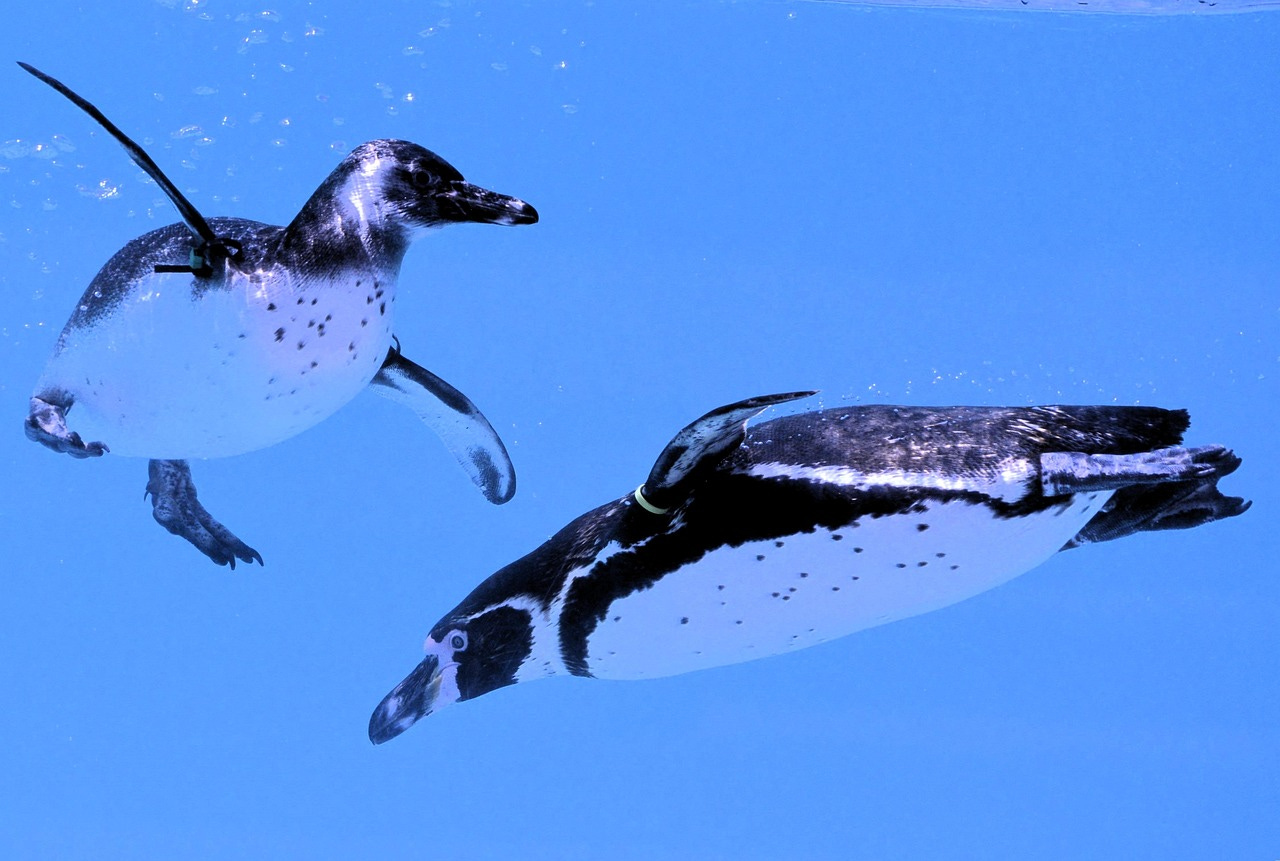
One forthcoming study gave children from Grade 1 to Grade 5 examples of penguin species to learn. As expected, they learned the species better if their practice was interleaved, which meant that they switched frequently from exemplars of one species to exemplars of another. The goal, of course, was for the children to learn to reliably identify species correctly.
The researchers also looked at metacognition. Bear in mind that learners typically misjudge the interleaving effect (e.g., Yan et al., 2016), assuming that blocking is the better strategy.
Interestingly, this new research found that very young children (Grade 1) were more likely to interleave than their older peers (Grade 5). This meant that metacognitive judgements and control got worse as the children got older. The researchers found a similar pattern when parents were asked to plan a practice order for their children: it was more likely to feature blocked practice as the children got older.
I wonder if this in some way reflects a tendency towards disorder and exploration in learning with very young, with greater categorisation and explicit, defined goals tending to appear later, and culturally assumed to be appropriate...? It’s interesting to speculate.
You can watch the video of the talk at this link (YouTube).
One other thing to mention is that I have an on-campus CPD session on evidence-informed classroom questioning. Find out more and sign up below:
Evidence-Informed Classroom Questioning – 19 February, Glasgow
You can get an idea of what to expect from the session by referring back to update #105!
All the best for the coming week,
Jonathan
I hope you are enjoying Memory and Metacognition Updates. Subscribe for free to receive new posts and support my work – and consider sharing it with colleagues!! Thank you!

Please note that my slides and similar materials are shared under a CC BY-NC 4.0 license. This means you can use or adapt them with attribution for non-commercial purposes. If you wish to use my materials for other purposes, feel free to get in touch.
from NomadWarMachine
from NomadWarMachine
from NomadWarMachine

Knightswood pond flickr photo by NomadWarMachine shared under a Creative Commons (CC BY-NC-SA 4.0) license
from NomadWarMachine
Today is International Lego Day! In celebration of this auspicious event today’s TDC asks us to
Take a photo and turn it into Lego by using an online editor such as Lunapic.
Here’s mine

Lego Lacey flickr photo by NomadWarMachine shared under a Creative Commons (CC BY-NC-SA 4.0) license

Cagney Lego Style flickr photo by NomadWarMachine shared under a Creative Commons (CC BY-NC-SA 4.0) license
from NomadWarMachine

Make Art Deco Art Dammit flickr photo by NomadWarMachine shared under a Creative Commons (CC BY-NC-SA 4.0) license
Today’s TDC was a bit footery to do. It asked us to go to a site and play with the fonts, but the link to do that was a bit broken by the website itself, so I needed to work around it to complete this. I went to the Velvetyne page and typed my words ‘make art, dammit’ into the search bar, then clicked on the word ‘art deco’ in the results and then clicked on ‘get the fonts’ – ‘my fonts’ and followed the links to the page. That brought me to a page with my words displayed in different fonts on a page. At this point I realised that I should change my phrase, so I repeated everything using the phrase ‘make art deco art, dammit’ and then screenshot the one I liked (see above). All in all, fun to do.

